We use cookies and other similar technologies on our website to enhance your browsing experience. For more information, please visit our Cookies notice
30 March 2026

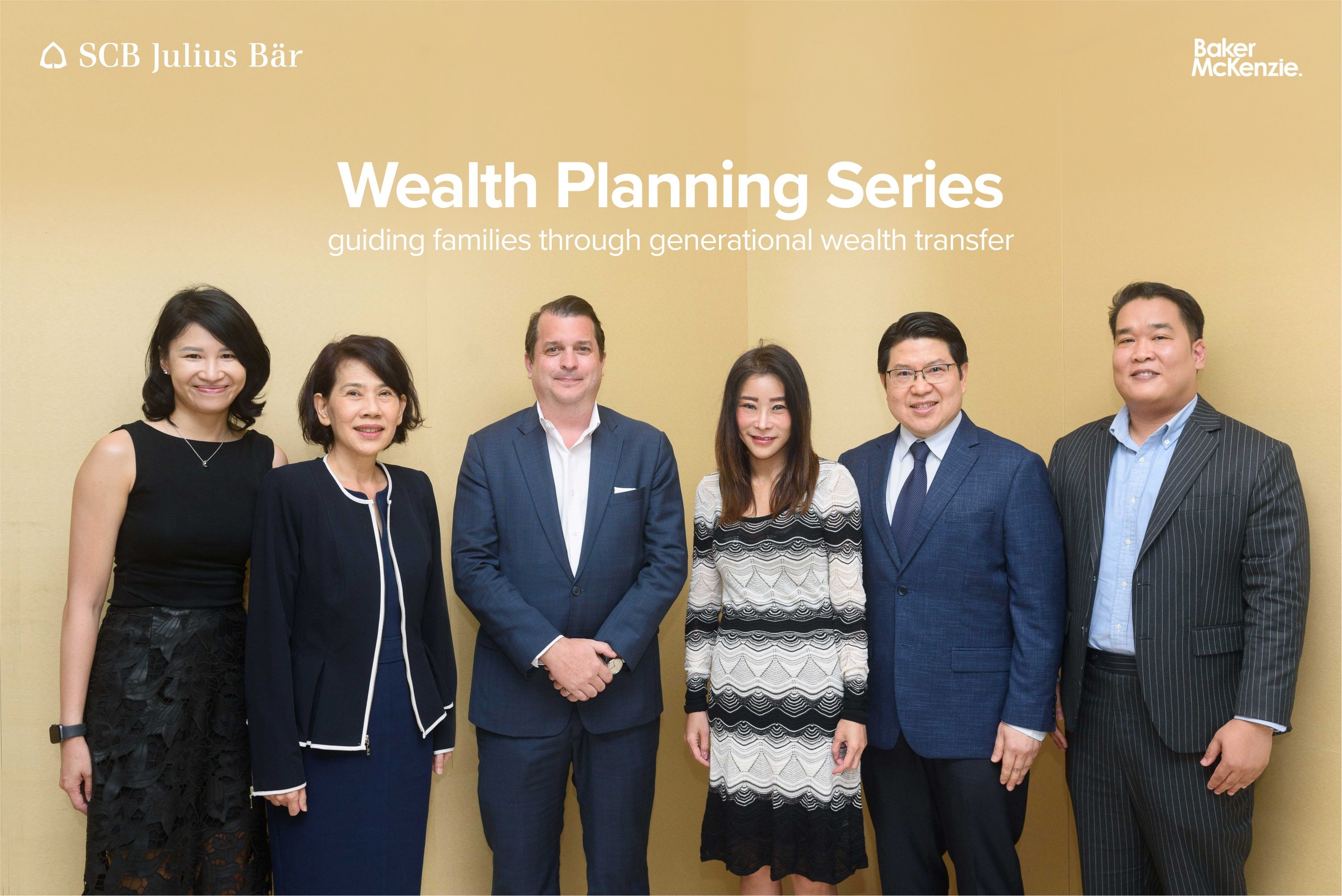
When conversations turn to legacy, values, and the responsibility that comes with wealth, philanthropy is never far behind. During her visit to Bangkok as a panel speaker at the SCB Julius Baer Wealth Planning Series, Laura Hemrika, CEO of the Julius Baer Foundation, shared her perspectives with families navigating wealth across generations. Taking the opportunity of her visit, Adrian Mazenauer, CEO of SCB Julius Baer, sat down with her for a deeper conversation on how philanthropy is evolving from charitable giving to a strategic, values driven expression of family legacy, and how families can create impact that endures across generations.
Adrian Mazenauer (AM): Laura, welcome to Bangkok. You joined us for our Multi-Generational Wealth Planning Series, where many families are already deeply engaged in wealth and succession planning. Why do you think philanthropy increasingly becomes part of that conversation?
Laura Hemrika (LH): Thank you, Adrian, it’s a pleasure to be here. What we see globally, and very clearly in Asia, is that families are no longer thinking about philanthropy as something separate from their wealth journey. As wealth transitions across generations, families naturally begin to ask broader questions: What do we stand for? What impact do we want to have? What kind of legacy do we want to leave behind? Philanthropy becomes a powerful way to give structure and meaning to those reflections.
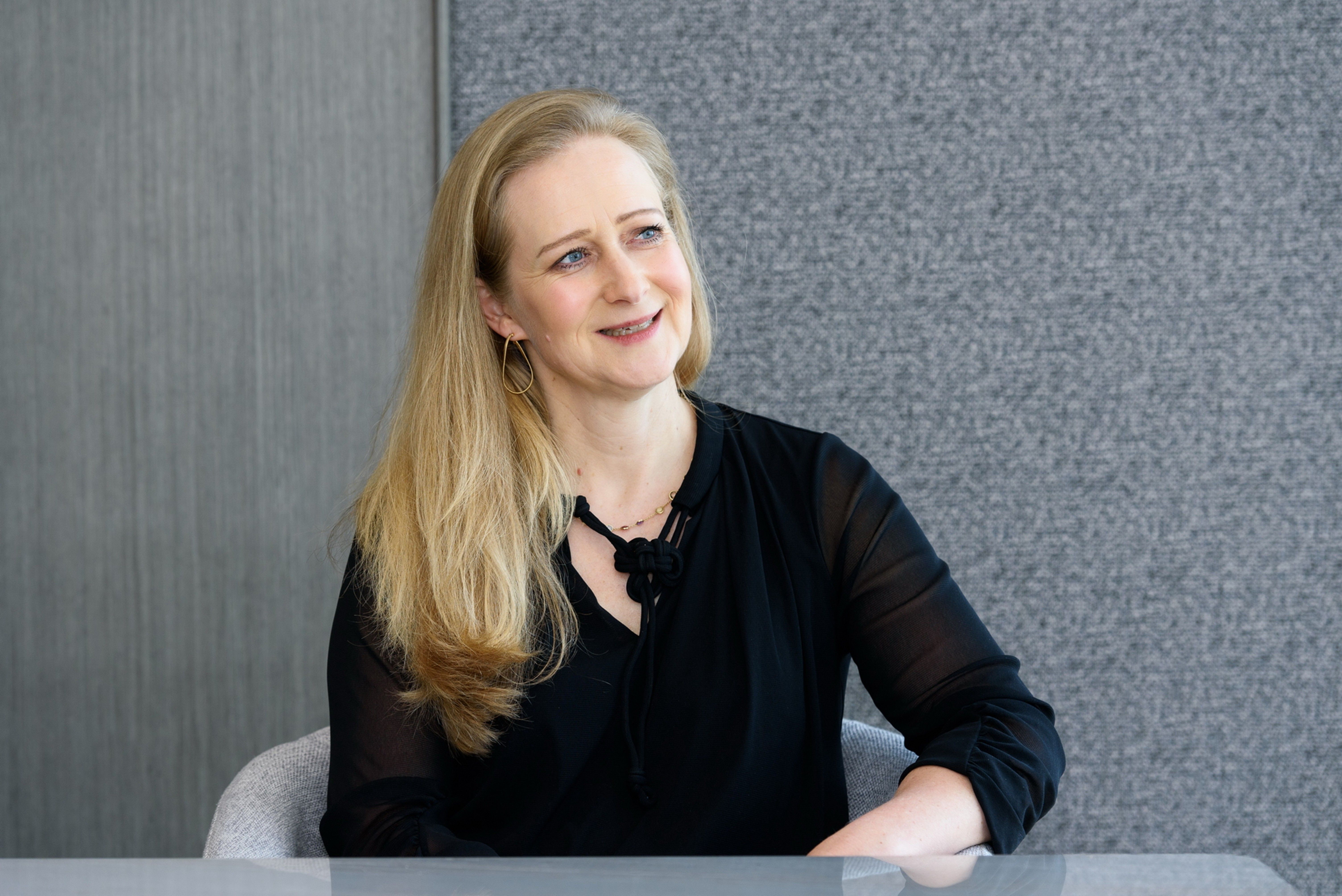
AM: Laura, before we dive deeper into philanthropy and family legacy, could you briefly introduce the Julius Baer Foundation and its role within the broader Julius Baer ecosystem?
“Founded in 1965 by Walter J. Bär (1895-1970), the Julius Baer Foundation reflects a long‑standing belief that wealth carries responsibility - and that success is most meaningful when it is shared.”
LH: Of course. The Julius Baer Foundation is the philanthropic foundation of Julius Baer, established in 1965 by Walter J. Bär as an expression of the family’s belief that wealth comes with responsibility. From the outset, the Foundation was created to share the success of the Bank with society, reflecting values that have been part of Julius Baer’s heritage for generations. Over time, our work has evolved from traditional charitable support into a more strategic philanthropic approach. Today, the Foundation focuses on reducing wealth inequality by supporting initiatives that bring people together across the wealth spectrum to create equal opportunities. Beyond funding projects, we also act as a convener, using the international network and experience of Julius Baer to encourage dialogue, collaboration, and a more thoughtful engagement with the societal impact of wealth.
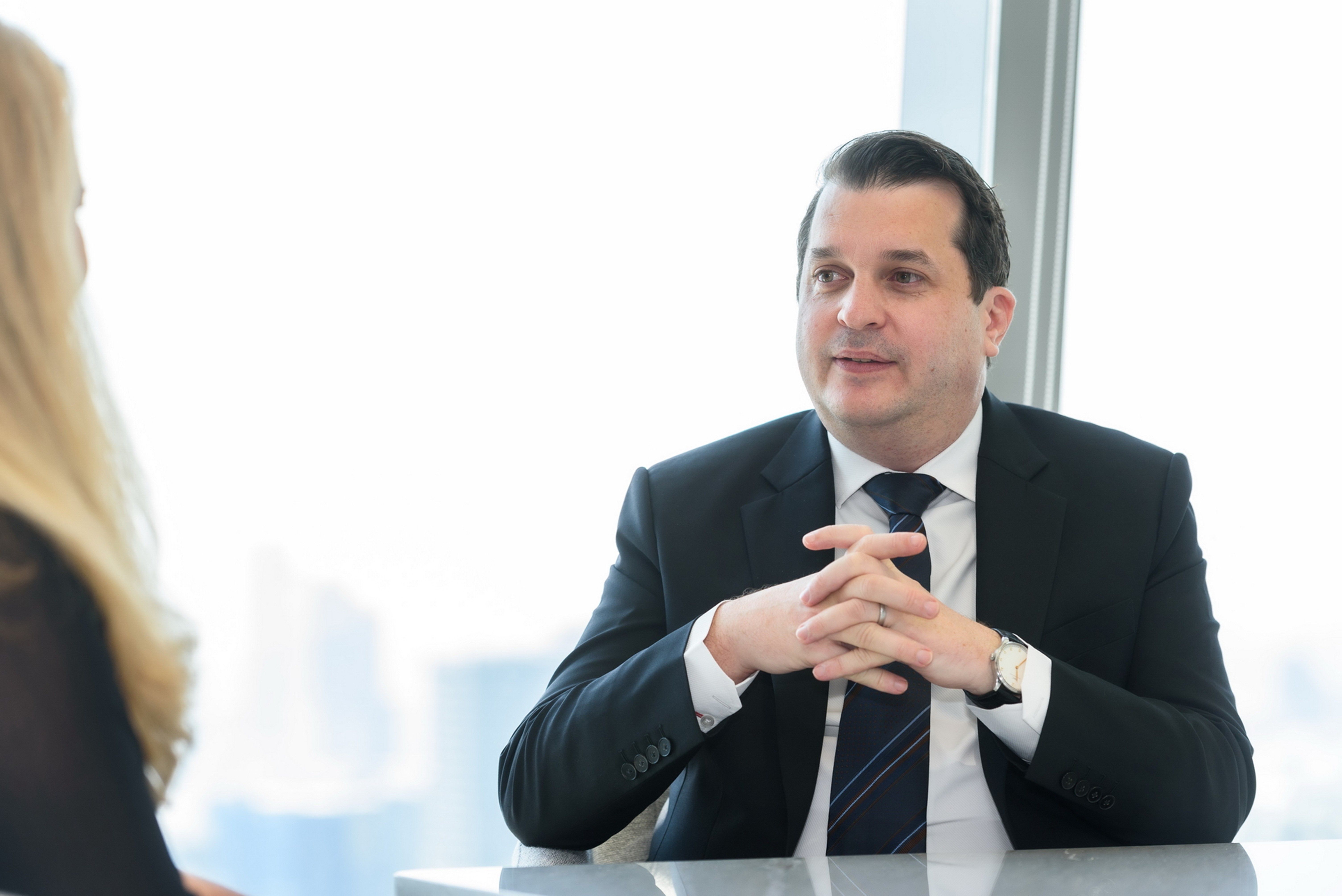
AM: You joined us here in Bangkok at a time when many Thai families are actively reflecting on legacy, succession, and social impact. Why is Thailand an important place for these conversations?
LH: Thailand is a powerful setting for these conversations because of its strong family values and long‑term entrepreneurial mindset. What I’ve seen during my time in Bangkok is a genuine desire among families to think more deeply about legacy. This is closely aligned with the work of the Julius Baer Foundation in Thailand, where we support the Baan Dek Foundation, which focuses on improving access to education and opportunities for vulnerable children and families.
AM: Many families tell us they want to “do more” with their charitable giving but are unsure how to move beyond donations. How do you define modern philanthropy?
LH: Modern philanthropy goes far beyond writing a cheque. In practice, it often starts with families taking the time to clarify what they care about most and why. We encourage families to begin by choosing one or two focus areas rather than trying to address everything at once. From there, it becomes about deciding how they want to engage, whether through long‑term partnerships, involvement of the next generation, or by contributing not only capital, but also time, expertise, and networks. At the Julius Baer Foundation, we see philanthropy as an active, collaborative effort to improve human welfare. It’s about engaging time, expertise, networks, and capital in a thoughtful way. Increasingly, it’s also about working alongside communities and partners, across the wealth divide, to design solutions together. This more intentional approach is especially important when addressing complex challenges such as wealth and education inequality.
AM: What we see very clearly in our conversations with families is that philanthropy often opens a different kind of dialogue, one that goes beyond financial outcomes and touches on purpose and responsibility. In Thailand, this feels very natural. There is a strong culture of generosity, merit‑making, and meaningful corporate CSR efforts, reflecting a genuine desire to help and support one another. What is changing today is not the willingness to give, but the intention behind it. As you’ve described, modern philanthropy builds on this foundation by helping families think more strategically about impact. Our role at SCB Julius Baer is simply to help families give structure to something that already comes from the heart.
“Philanthropy, as part of Wealth Planning, often becomes the place where families can speak most openly about what truly matters to them. Creating the space for those conversations is an important part of our role.” Adrian Mazenauer, CEO SCB Julius Baer
AM: You’ve spoken about wealth inequality as a defining challenge of our time. From your perspective, why has this become such a central focus for the Foundation?
LH: Wealth inequality affects almost every aspect of society, from access to education and healthcare to economic opportunity and social cohesion. When inequality becomes too extreme, it creates instability that ultimately affects everyone, including businesses and investors. That’s why the Foundation’s mission is to work across the wealth spectrum to create equal opportunities. We believe that greater wealth equality is not only a moral imperative, but also a driver of long-term, sustainable growth across societies.
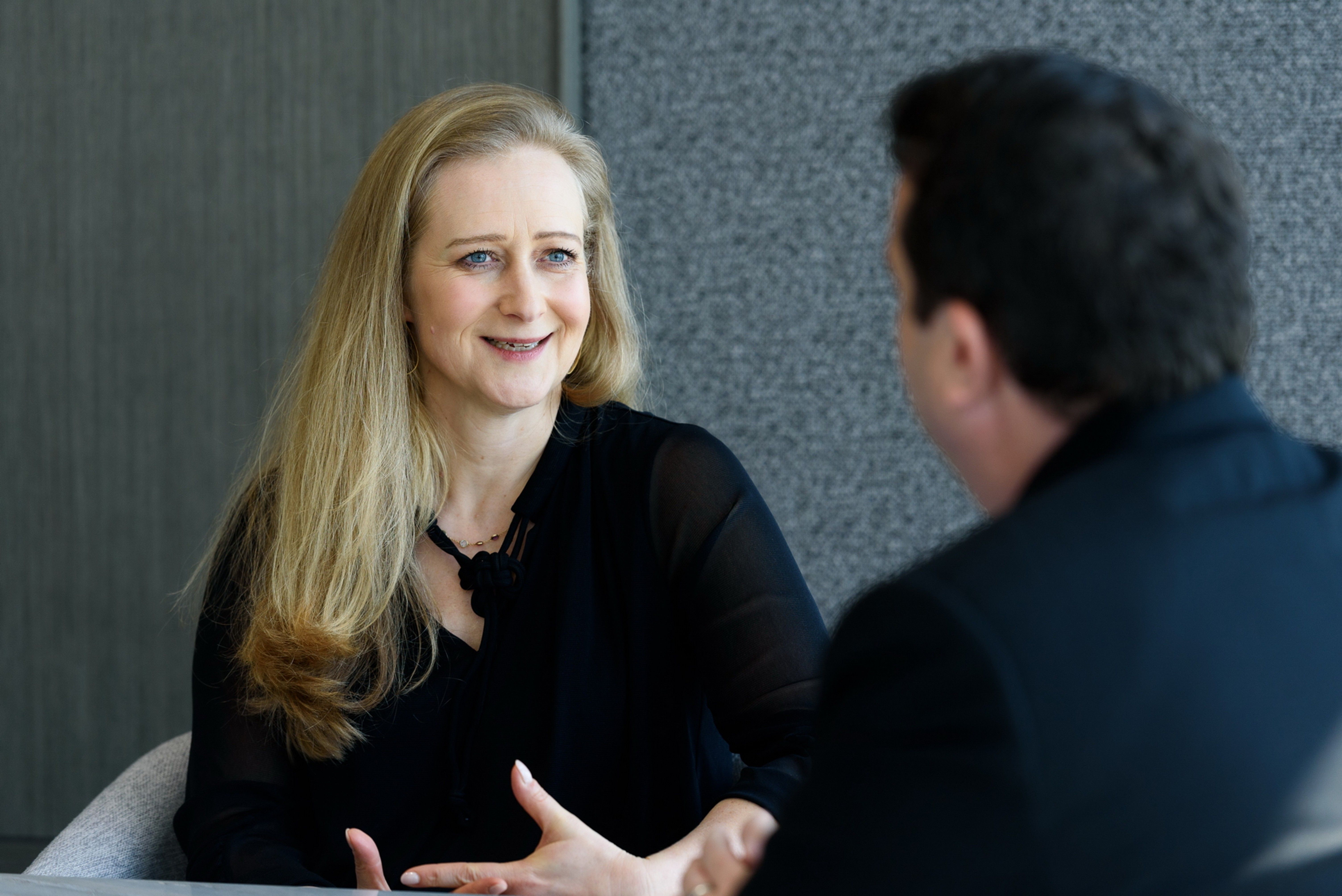
AM: During the Wealth Planning Series, families from different generations were present in the room. From your perspective, how does philanthropy help bridge generational differences?
LH: That multi‑generational aspect is crucial. Families today often span four or even five generations, each bringing different perspectives. One practical way philanthropy helps bridge these differences is by creating shared decision‑making moments; for example, involving younger family members in selecting causes, visiting projects together, or defining what success looks like. These conversations often become a safe space where values can be discussed openly, without the pressure that sometimes accompanies financial decisions.
“Philanthropy provides a shared platform where different generations can meet. It opens dialogue, builds mutual understanding, and helps families articulate common values - often for the first time” Laura Hemrika, CEO Julius Baer Foundation
AM: What advice would you give to families who are just beginning to structure their philanthropic journey?
LH: The most important first step is to identify what we often call your “North Star”. In practical terms, this means asking a few simple but important questions: Which issues resonate most strongly with us as a family? Where do we feel a sense of responsibility? And how actively do we want to be involved? From there, families can start small, testing an approach, learning from experience, and refining it over time. What matters far more than scale is clarity of purpose and consistency. Philanthropy works best when it evolves alongside the family itself.
AM: At SCB Julius Baer, we see philanthropy increasingly integrated into holistic wealth planning. How do you see the role of private banks and advisors in this space?
LH: Private banks play an important convening role. In practice, this means helping families connect their financial planning with governance, succession, and philanthropic intent rather than treating these topics separately. Advisors can also help families structure decision‑making, facilitate family discussions, and identify credible partners. When done well, this support allows philanthropy to become strategic rather than reactive, and to contribute meaningfully to intergenerational continuity.
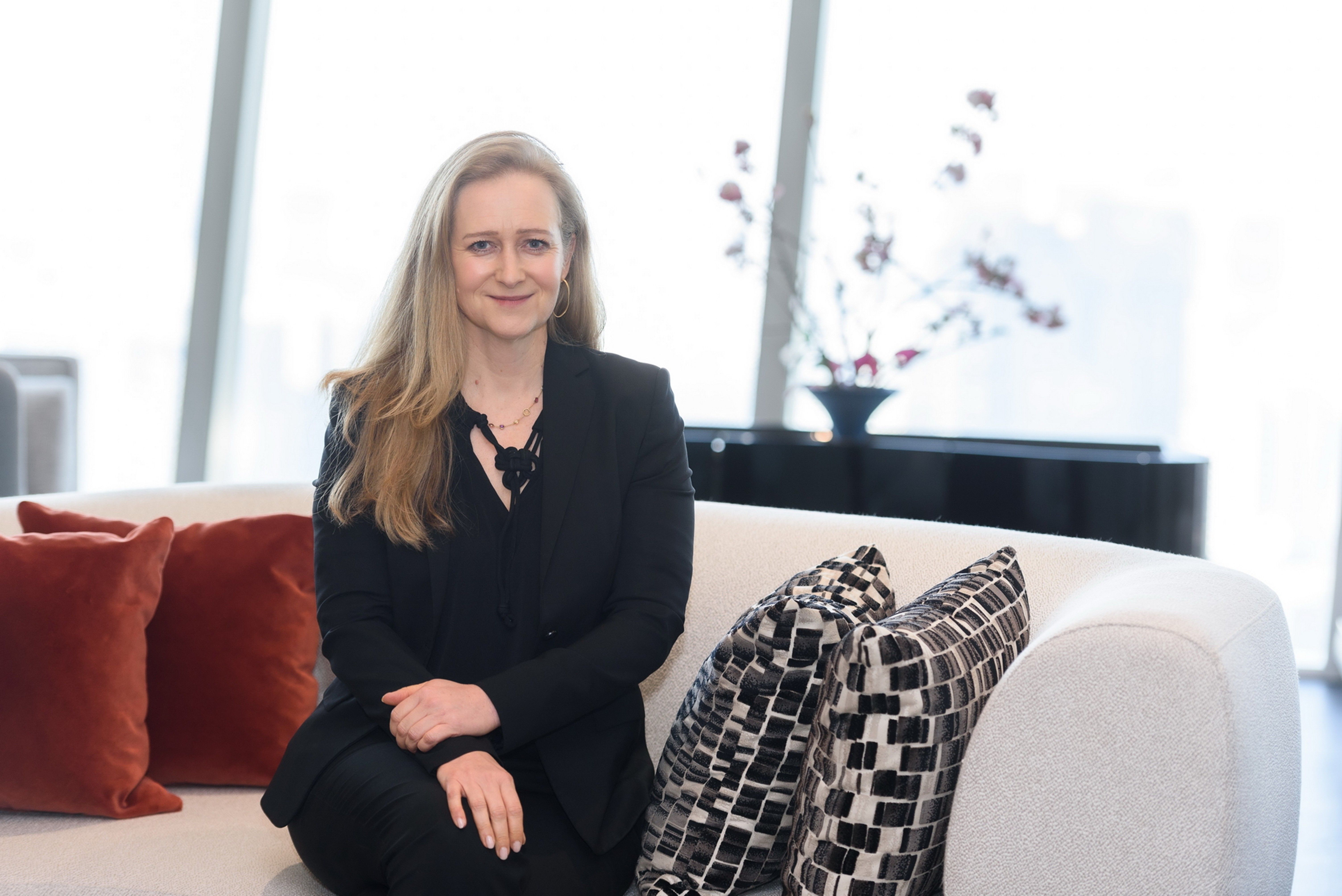
“When families begin this journey together, philanthropy becomes not just a way to give back, but a way to shape a legacy that future generations can truly relate to and be proud of.” Laura Hemrika, CEO Julius Baer Foundation
AM: Finally, what would you like families who attended the Wealth Planning Series in Bangkok to take away from this conversation?
LH: Philanthropy is not something reserved for later in life or for very large institutions. It is a journey that evolves alongside the family itself. When approached thoughtfully, it can strengthen relationships, create shared understanding across generations, and give families a common sense of purpose beyond financial success. At the Julius Baer Foundation, we see philanthropy as an invitation - an invitation to pause, to reflect, and to act with intention. Families do not need to have all the answers from the beginning. What matters most is the willingness to start the conversation and to carry it forward together.